How to Design a Conversion Funnel for Digital Marketing Campaigns
What a Sales Funnel Is and Why It Counts
A marketing funnel is the step-by-step path a person moves through from first discovering your brand to becoming a customer. In digital marketing campaigns, the funnel allows you to structure messaging, offers, and touchpoints so each step supports the next. Instead of directing every visitor to the same page, a funnel maps the customer journey and aligns content to intent.
For businesses in Syracuse, NY, that matters because local buyers rarely convert on the first interaction. A homeowner looking for an HVAC company, a law firm prospect comparing options, or a B2B buyer near downtown Syracuse all need different information before they take action. Funnel design turns unfocused traffic into a intentional conversion path that supports lead generation and stronger customer acquisition.
A good funnel also helps you identify your target audience and build around a clear buyer persona. That makes your content strategy, ad messaging, and follow-up more relevant. When the funnel is aligned with actual search intent, it improves engagement, reduces bounce rate, and moves more visitors toward inquiry, booking, or purchase.
Core Funnel Stages: Discovery to Action
Many funnel stages can be organized into 3 major phases: the awareness stage, the consideration stage, and the conversion stage. Understanding these phases helps you build the proper messaging for the appropriate point.
At the top of funnel, prospects are just realizing that they have a need or opportunity. They may find you through search, social media, paid ads, or referrals. Information here should inform, earn trust, and introduce your expertise without overdoing it. For example, a Syracuse roofing company might publish a guide about signs of roof damage after winter storms in Central New York.
In the middle of funnel, the user is evaluating solutions. This is where product comparisons, service pages, testimonials, case studies, and FAQ content help. The goal is to deepen credibility, enable personalization, and keep the visitor advancing toward the next step in the conversion path.
At the bottom of funnel, the person is ready to act. This is where your proposal, form, or booking flow needs to be straightforward and convincing. Solid proof, fast load times, and strong calls to action make a significant difference here. A focused conversion stage often determines whether visitors become qualified leads or exit for a competitor.
Well-built funnel stages support both short sales cycles and longer sales pipeline motions. For service businesses, the funnel should also include lead nurturing so prospects who are not ready yet can continue receiving useful information until they convert.
Aligning web design With conversion goals
Strong web design is not just about appearance. It acts as one of the most important drivers of conversion rate optimization because it shapes how users move through the site. Your landing pages, navigation, text sections, visuals, and forms should all lead visitors toward a specific objective.
Effective design reduces friction and supports user experience. If a page is crowded, slow, or confusing, the visitor’s attention decreases and the conversion path falls apart. Good structure improves readability and keeps the next step obvious. That means using direct headlines, visible trust signals, concise form fields, and buttons that tell users exactly what happens next.
For example, a Syracuse-based healthcare provider might use a landing page that opens with a specific service, shows local credibility, and includes a simple appointment form. A B2B company in Onondaga County may need a different layout with a case study, a demo request form, and proof points above the fold. In both cases, the design should match the user’s stage in the funnel and the likely traffic source.
Because many visitors arrive from mobile devices, especially through local search, your pages need to load quickly and feel intuitive on smaller screens. Good web design improves click-through rate, supports form submissions, and builds trust before the user even reads every detail. That is why design and funnel strategy should be developed together, not treated as separate tasks.
Leveraging SEO services to Bring In relevant visitors
SEO services make your funnel more effective by drawing in visitors who already want what you provide. If you want consistent organic traffic, you need a keyword strategy grounded in keyword research, content mapping, and technical SEO.
Keyword analysis should identify terms that show buyer intent at different funnel stages. Some searches are informational, while others are clearly transactional. A person searching “how to choose an accountant in Syracuse” is at a different stage than someone searching “best accountant Syracuse NY consultation.” Tailoring content to those patterns enhances relevance and performance.
Local businesses should also prioritize local SEO. In Syracuse, NY, many prospects use “near me” queries, neighborhood-specific searches, or city-based phrases tied to Onondaga County and nearby Central New York service areas. That means service pages, location references, Google-focused content, and locally relevant trust signals matter a lot. The local search landscape is highly competitive, especially for home services, legal practices, healthcare providers, and B2B firms that serve multiple nearby communities.
Sunstone Digital Tech201 E Jefferson St, Syracuse, NY 13202
(315) 758-3349
https://maps.app.goo.gl/LNcnKZaUXSqxHPoT8
https://sunstonedigitaltech.com/
43.0471862, -76.1504376
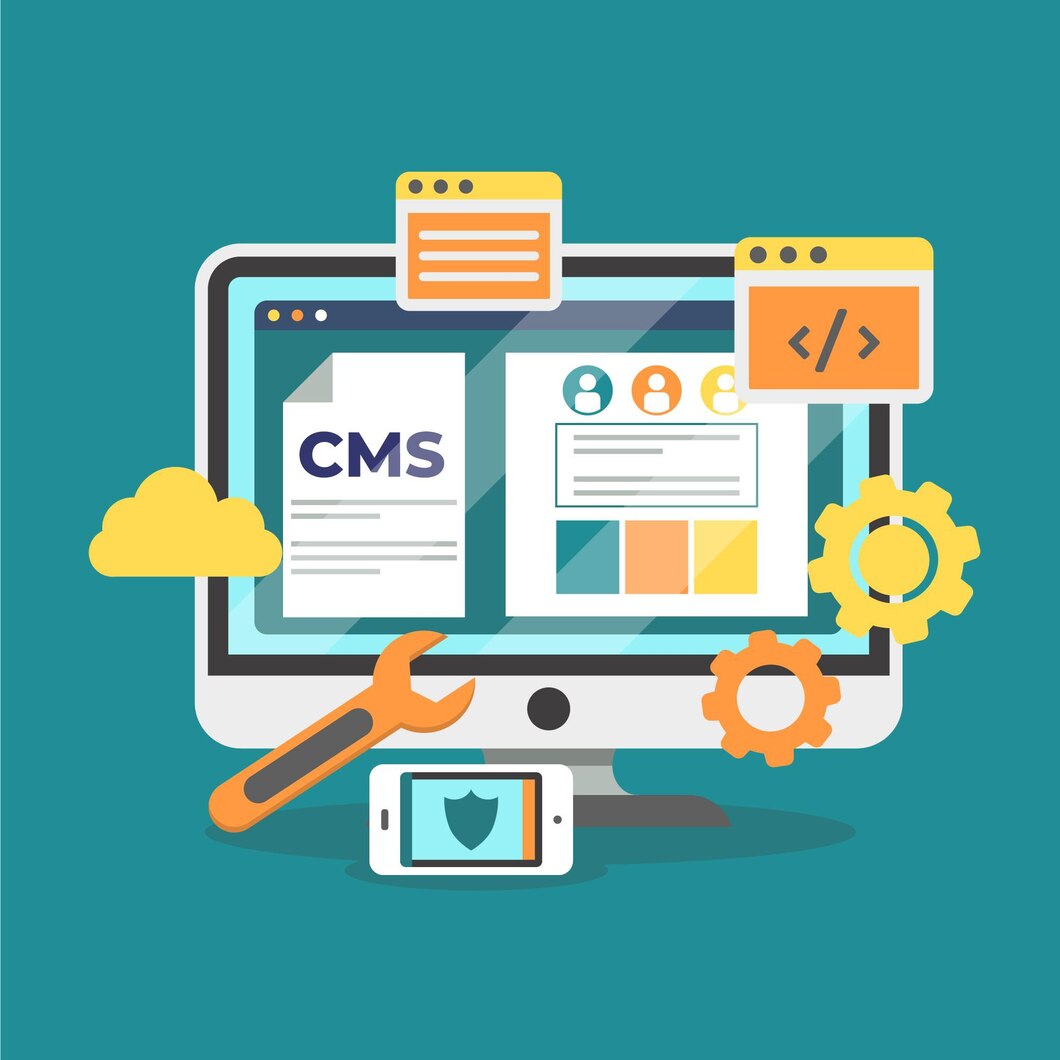
SEO also strengthens the customer journey by helping users find content at each stage. Blog posts can answer early questions, service pages can speak to solution seekers, and comparison pages can help decision-makers. When your SEO structure matches with funnel strategy, you attract better traffic instead of just more traffic.
Building Campaigns Designed to convert in Syracuse, NY
To convert in Syracuse, NY, campaigns require local relevance. A standard offer can work poorly if it fails to reflect the way residents and businesses search, compare, and choose. The city’s mix of downtown offices, neighborhood households, Syracuse University influence, and regional service-area demand creates distinct audience patterns.
For example, a local home services company may receive searches from customers in Syracuse, DeWitt, Liverpool, Fayetteville, Baldwinsville, or throughout the broader Central New York region. A legal practice may vie for attention from people searching under urgent conditions, while a B2B provider may need to establish credibility with decision-makers comparing options across Onondaga County. Each scenario requires different landing pages, offers, and follow-up paths.
Use location-aware messaging to strengthen lead generation. Reference service areas naturally, feature city-specific proof where appropriate, and make contact options easy to find. If your content speaks to local conditions, local competition, and regional concerns, the funnel feels more credible. Syracuse users often want quick answers, visible contact details, and signs that the business truly serves their area.
Local campaigns work best when paid ads, organic listings, and onsite conversion elements all support one another. That consistency raises quality score, engagement, and lead quality. The result is not just more inquiries, but more qualified leads moving into the sales process.
Where AI specialists Can Improve Funnel Results
AI experts can assist teams improve funnel results through smarter automation, segmentation, and predictive analytics. Rather than guessing which users are ready to convert, AI tools can assist in interpreting behavioral patterns across pages, ads, and email sequences.
For example, automation can route leads to the best follow-up sequence based on the page they visited, the form they completed, or the service they selected. This enables better marketing automation and more timely lead nurturing. A visitor who downloaded a guide may need educational follow-up, while someone who submitted a pricing form may need immediate sales outreach.
Predictive analytics can also reveal opportunities that manual review might miss. AI-driven scoring may show which traffic sources produce stronger conversion patterns, which audience segments respond to certain offers, and which pages generate the highest value leads. That allows teams to adjust budgets and messaging more effectively.
In practical terms, AI should support the funnel, not replace strategy. The best results come when AI experts collaborate with marketers, designers, and SEO specialists to improve segmentation, testing, and performance tracking. Used well, AI makes the funnel more responsive, more personalized, and more scalable.
Content Offers, Action Prompts, and Lead Generators
Strong offers are the engine of a top-performing funnel. Your lead magnet should solve a real problem and align with the user’s awareness stage. If it is too broad, it will bring in unqualified interest. If it is too technical, it may not capture attention at all.
Instances of effective lead magnets include task lists, pricing guides, service comparison sheets, consultation offers, and local market resources. For a Syracuse business, a guide such as “What to Know Before Hiring a Contractor in Central New York” can connect with the audience’s needs and build trust. A B2B company might offer a white paper or assessment tool that helps with decision-making.
Every page should have a clear call to action. The CTA should match the funnel stage and the page purpose. Top-of-funnel visitors may respond to “Download the guide,” while late-stage visitors may respond better to “Request a consultation” or “Get a quote.” Strong CTAs reduce confusion and increase form submissions.
Gated content can be effective when the value exchange is transparent. Do not gate everything. Some content should stay open to boost SEO and building trust, while more detailed assets can be used to capture contact information. The key is to strike a balance between friction with value so the audience is willing to share their information.
Measuring Funnel Results and Improving Results
To enhance a funnel, you need consistent analytics. The most important metrics depend on the funnel stage, https://rentry.co/czv2xver but you should continually track how visitors progress from impression to action. This is where conversion rate becomes one of the most valuable indicators.
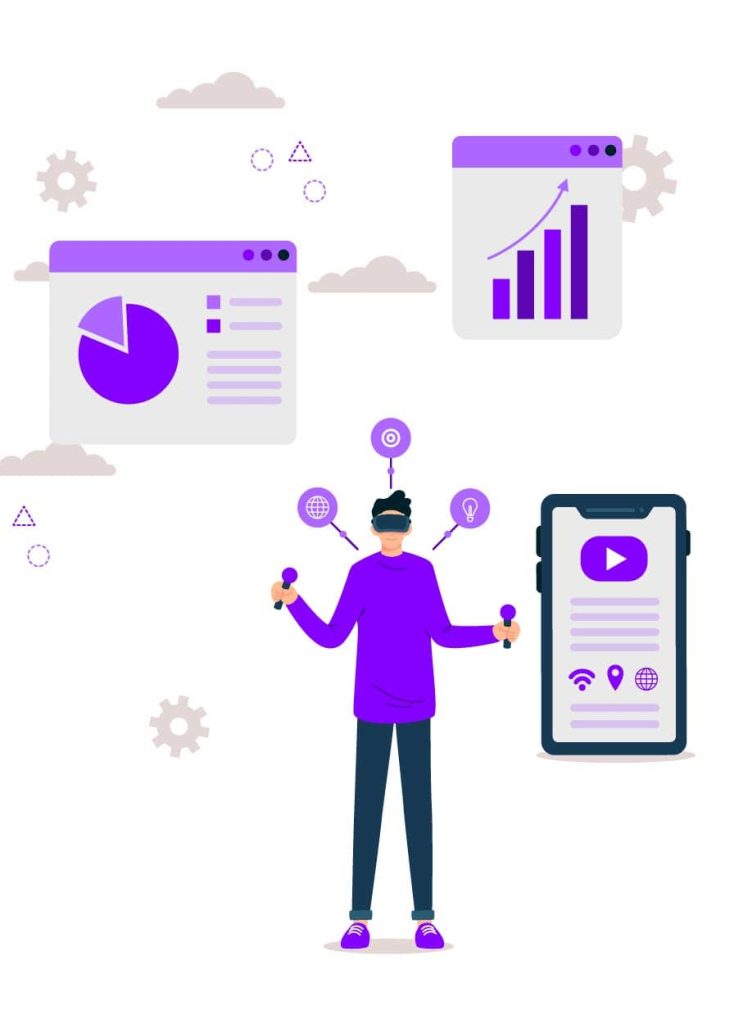
Monitor page-level performance, bounce rate, CTR, scroll depth, time on page, and form completion. These signals show where visitors engage and where they leave. If a page gets traffic but limited conversions, the issue may be targeting, message clarity, page layout, or offer relevance.
A/B testing is one of the best ways to improve results. Test headlines, CTA text, page length, form fields, images, and button placement. Small adjustments can have a noticeable effect on the conversion path, especially when combined with better targeting and stronger trust signals.
Performance tracking should also analyze outcomes across traffic sources. Organic visitors may behave differently from paid search users, social visitors, or retargeting audiences. If one source generates better-qualified leads, you can shift resources accordingly. Good funnel optimization is never finished after one pass; it is a continuous process of testing, learning, and refining.
Typical Conversion Mistakes to Avoid
One of the biggest mistakes is funnel leakage, which happens when users drop out because the next step is unclear or the experience feels disconnected. Leakage often comes from slow pages, confusing offers, weak copy, or too many form fields.
Another common issue is poor message match. If an ad promises one thing and the landing page says something different, users lose trust. The same problem occurs when SEO content leads to a page that does not continue the same topic or intent. Message match should stay aligned from traffic source to landing page to follow-up email.
Businesses also underuse retargeting. Many people do not convert on their first visit, especially in higher-value categories. Retargeting lets you follow up with visitors who expressed interest but did not take the final step. This is especially useful in competitive local markets like Syracuse and the wider Central New York region.
Finally, many funnels fail because they try to serve everyone with the same page and same offer. A better approach is to divide by buyer persona, intent, and stage in the customer journey. When the funnel reflects how real people decide, conversion rises naturally.
FAQs About Sales Funnel Design
What is sales funnel design in digital marketing?
Sales funnel design in digital marketing is the method of building a step-by-step path that leads a prospect from awareness to conversion. It brings together messaging, content, web design, SEO services, and follow-up so each stage of the customer journey advances the next. A well-designed sales funnel improves lead generation and helps digital marketing campaigns turn qualified leads more efficiently.
How do web design and SEO services improve funnel conversion rates?
Web design improves funnel conversion rates by building clear landing pages, minimizing friction, and moving users toward a specific call to action. SEO services improve conversion by attracting organic traffic that matches search intent and buyer persona needs. When both work together, the funnel gets additional visitors and a better user experience, which usually leads to stronger conversion rate optimization results.
What should a local Syracuse business include in a high-converting funnel?
A local Syracuse business should include location-specific messaging, local SEO signals, trust signals, and service-area details that mirror how people search in Syracuse, NY and nearby Central New York communities. The funnel should answer “near me” queries, support local search competition, and make it easy for visitors to contact, book, or request a quote. For many businesses, adding regional proof such as familiarity with downtown Syracuse, Syracuse University, or Onondaga County helps strengthen trust.
In what way can AI experts help optimize a digital marketing funnel?
AI experts can improve a digital marketing funnel through workflow automation, prediction-based insights, and better lead scoring. They can pinpoint which traffic sources generate the best leads, personalize follow-up, and strengthen marketing automation workflows. This turns lead nurturing more efficient and helps sales teams prioritize the prospects most likely to convert.
What metrics are most important when measuring funnel performance?
The most important metrics include conversion rate, analytics-driven engagement data, exit rate, click rate, form submissions, and tracking performance across traffic sources. A/B testing helps identify which pages, offers, and calls to action work best. Over time, these metrics show where funnel leakage occurs and how to improve the customer journey for better results.